For nearly a century, Disney has captivated generations with characters that feel like old friends, yet some of their backstories stretch far further into the past than you might imagine. When we talk about Comparing Mickey Mouse's Age to Other Disney Characters, it's a fascinating journey not just through animation history, but into the very heart of storytelling and how we perceive timeless icons. It's easy to assume Mickey, the face of the company, must be the oldest, but the truth is a little more nuanced and full of surprises.
At a glance: Key Takeaways on Disney Character Ages
- Mickey Mouse isn't the oldest Disney character: While iconic, Pete actually predates him.
- Creation date vs. fictional age: Many characters have been around for decades (their creation age), but often remain perpetually young or ageless within their stories.
- Age defines personality: Whether young and innocent (Snow White, Ariel) or ancient and wise (Yoda), a character's age shapes their motivations and narrative arc.
- Disney characters evolve: While some are frozen in time, others (like Simba) visibly age, reflecting life's journey.
- A rich history: From black-and-white cartoons to CGI epics, Disney's character roster is a chronological tapestry of animation breakthroughs and evolving cultural narratives.
The Mouse Who Started (Almost) Everything: Mickey's Enduring Youth
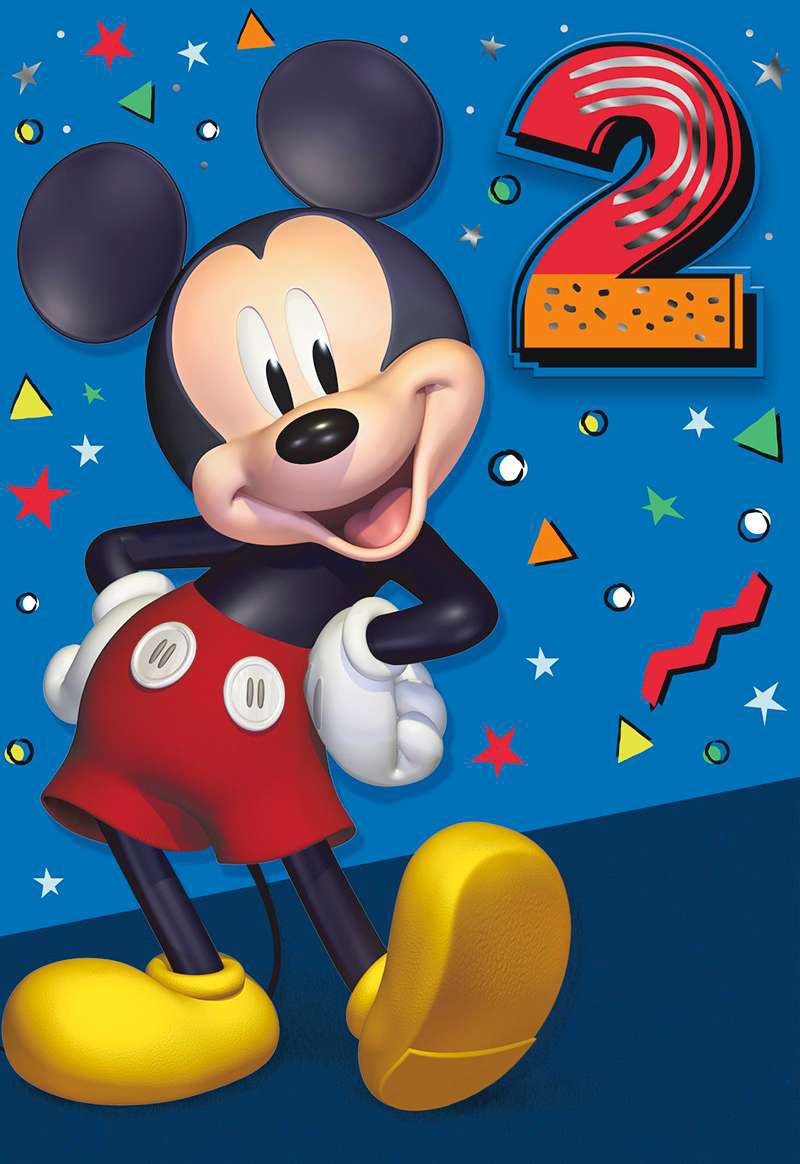
When you picture Disney, you picture Mickey Mouse. He's the cheerful, optimistic face of a global empire, and he's been around for what feels like forever. Debuting in the iconic "Steamboat Willie" in 1928, Mickey has been the official mascot of The Walt Disney Company virtually since its inception. So, in real-world terms, if you count from his birth year, Mickey is well over 90 years old. That makes him a true elder statesman of animation, but surprisingly, not the very first character to emerge from the Walt Disney Productions studio.
This distinction between a character's creation date and their depicted age is critical. Mickey, despite his venerable real-world age, is almost always portrayed as an enthusiastic, ageless young adult. He embodies eternal youth, optimism, and an adventurous spirit, rarely showing the signs of his nine-plus decades of existence.
The True Elders: Characters Who Paved Mickey's Way
Before Mickey twirled his steering wheel on the steamboat, other figures were already making their mark, laying the groundwork for Disney's future successes.
Pete: The Original Disney Antagonist (1925)
Meet Pete, the burly, bumbling anthropomorphic cat (or sometimes dog) who holds the title of the oldest Disney character. Created by Walt Disney Productions in 1925, Pete first appeared in the "Alice Comedies" series. His role was often that of a scoundrel or a foil, later challenging characters like Oswald the Lucky Rabbit, and eventually, Mickey Mouse himself. For nearly a century, Pete has been a recurring antagonist, evolving from a menacing thug to a more comedic, if still nefarious, rival. His longevity and adaptability speak volumes about his foundational role in Disney's character lexicon.
Oswald the Lucky Rabbit: The Catalyst (Pre-1928)
While technically not remaining Disney's character for long after his initial run, Oswald the Lucky Rabbit is an indispensable part of the story leading to Mickey. Created by Walt Disney and Ub Iwerks for Universal Studios, Oswald's popularity in the mid-1920s was undeniable. However, a contractual dispute led to Disney losing the rights to Oswald, a pivotal moment that directly spurred Walt Disney to create a new character – one he would fully own. That new character, of course, was Mickey. The Walt Disney Company would eventually regain the rights to Oswald in 2006, bringing him back into the family fold and acknowledging his vital place in the company's origin story.
Mickey's Early Companions: Minnie, Pluto, and Donald
Mickey didn't operate in a vacuum. Soon after his debut, a close-knit circle of friends and companions joined him, many of whom are nearly as old as the Mouse himself.
Minnie Mouse: Mickey's Sweetheart (1928)
Sharing Mickey's debut year and the "Steamboat Willie" screen, Minnie Mouse is Mickey's quintessential love interest. Like Mickey, she embodies a specific set of timeless traits: sweetness, demure charm, and a feminine grace. While Mickey is often the leader and adventurer, Minnie provides a balancing presence, a steadfast companion who grounds his wilder impulses. Her longevity alongside Mickey highlights the enduring appeal of companionship and love within the Disney universe.
Pluto: Man's Best Pal (1930)
Just two years after Mickey's grand entrance, Pluto bounded onto the screen in the 1930 short film "The Chain Gang." Originally conceived as a bloodhound, he quickly evolved into Mickey's loyal pet dog. Pluto stands out as one of the few main Disney characters who is not anthropomorphic in the same way Mickey or Goofy are; he behaves like a real dog, relying on body language and pantomime to convey his innocent, playful personality and knack for comical misadventures. His 90+ years of existence make him one of Disney's truly ancient, yet perpetually young-at-heart, characters.
Donald Duck: The Temperamental Sailor (1934)
Appearing a few years after Pluto, Donald Duck quickly became a superstar in his own right. Known for his distinctive, often unintelligible speech, short temper, and mischievous nature, Donald offered a delightful contrast to Mickey's unwavering optimism. His personality, a relatable blend of frustration and good intentions, resonated deeply with audiences. Donald has starred in hundreds of short films, feature films like "Saludos Amigos" (1942) and "The Three Caballeros" (1944), and countless comic books, proving that even a grumpy duck can have enduring appeal for nearly 90 years.
From Classic Animation to Epic Sagas: Disney's Character Generations
Beyond Mickey and his immediate friends, Disney's character catalog expanded rapidly, introducing iconic figures who defined the "Golden Age" of animation and beyond. These characters, while often younger in their creation dates than Mickey, still represent groundbreaking achievements in storytelling.
The Original Princess: Snow White (1937)
Disney's first full-length animated feature film, "Snow White and the Seven Dwarfs," premiered in 1937, introducing a new era of character complexity. Snow White, a kind and gentle princess whose innocence is threatened by her cruel stepmother, symbolizes purity and resilience. While Mickey and friends were about gags and simple adventures, Snow White brought emotional depth, fantasy, and musical storytelling to the forefront. Her story, created nearly 90 years ago, remains a benchmark for animated fairy tales.
Pinocchio: The Puppet with a Heart (1940)
Just three years after Snow White, "Pinocchio" brought another timeless tale to life in 1940. Pinocchio, a wooden puppet who wishes to become a real boy, is guided by his conscience, Jiminy Cricket. His journey of self-discovery, learning right from wrong, and understanding the meaning of truth and bravery, resonates powerfully. Pinocchio's story, now over 80 years old, symbolizes determination and the pursuit of dreams, making him one of Disney's most enduring ethical parables.
Dumbo: The Flying Elephant (1941)
In 1941, "Dumbo" offered a poignant tale of an outcast finding his strength. Dumbo, an elephant with unusually large ears, faces ridicule until he learns he can fly, becoming a star attraction. Aided by his loyal friend Timothy Mouse, Dumbo's story is a timeless message of perseverance, self-belief, and embracing what makes you unique. This classic character, still beloved after more than 80 years, shows how even the youngest-looking characters can carry profound themes.
Cinderella: The Resilient Dreamer (1950)
While Charles Perrault's original "Cinderella" story dates back to 1697, Disney's animated version, released in 1950, defined the character for millions. Cinderella, a kind and gentle young girl cruelly treated by her stepfamily, embodies hope and resilience. Her transformation, aided by her Fairy Godmother, allows her to attend a royal ball and find true love. Disney's interpretation, now over 70 years old, solidified the archetype of the "Disney Princess" for generations to come.
Johnny and the Br'er Characters (1946)
In 1946, "Song of the South" introduced Johnny, a young boy who befriends the wise Uncle Remus. Uncle Remus shares folklore stories featuring Br’er Rabbit, Br’er Bear, and Br’er Fox, teaching Johnny valuable lessons. It's crucial to acknowledge that while these characters have a long history, the film "Song of the South" remains controversial for its harmful depiction of African Americans and has not been released in U.S. home video or streaming. Its complex legacy highlights how older creations reflect their historical context, sometimes problematic, and how Disney's approach to its past continues to evolve.
The Fluidity of Fictional Ages: From Ageless to Ancient
Unlike Mickey, whose creation age far outstrips his depicted age, many Disney characters exist across a spectrum of age portrayals, from explicitly stated numbers to vast, undefined spans. The age of Disney characters is often fluid; some have explicitly stated ages, while others remain ageless, or even age within their own stories.
Characters with Defined Ages: Youthful Aspirations
- Ariel (The Little Mermaid): 16. Her age emphasizes her youthful rebellion, her longing for a world beyond her own, and her impetuous decisions. Sixteen is a common age for Disney princesses, symbolizing the cusp of adulthood and romantic awakening.
- Princess Aurora (Sleeping Beauty): 16. Similar to Ariel, Aurora's youth makes her vulnerable to Maleficent's curse and underscores the fairy tale's themes of innocence and destiny.
- Elsa (Frozen): 24. Elsa, from a more modern Disney era, is notably older. Her age reflects a period of established responsibility, suppressed power, and the complex journey of self-acceptance and sisterhood, rather than just young romance.
Characters Who Grow and Evolve: The Arc of Life
- Simba (The Lion King): Simba is a prime example of a character who visibly ages and evolves over his narrative arc. We see him as an innocent cub, a playful but irresponsible teenager, and finally, a wise and powerful adult king. His journey from cub to adult is central to the film's themes of responsibility, destiny, and the circle of life. This challenges the misconception that all Disney characters are frozen in time.
Characters of Immense Age: Wisdom and Eternity
- Yoda (Star Wars: The Clone Wars): Over 900 years old. When Disney acquired Lucasfilm, characters from the Star Wars universe became part of the broader Disney family. Yoda is a quintessential example of immense age embodying wisdom, experience, and deep connection to a mystical force. His advanced age isn't just a number; it's fundamental to his role as a revered master.
- Dory (Finding Nemo): While not explicitly given a precise numerical age, Dory's character, known for her short-term memory loss, highlights the cognitive challenges that can come with age, even if humorously portrayed. Her struggles and resilience offer a different perspective on aging and its impacts.
- Peter Pan: Peter Pan remains perpetually young, symbolizing eternal youth and a refusal to grow up. He's a powerful counterpoint to characters who age, representing a timeless fantasy.
What Character Age Reveals: Storytelling Through Time
The choice of a character's age, whether explicit or implied, plays a significant role in shaping personality, motivations, and storylines. It's a deliberate narrative tool.
- Innocence and Wonder: Younger characters often represent innocence, wonder, and the journey of self-discovery. Their naivety allows for grand adventures and personal growth.
- Wisdom and Experience: Older characters embody wisdom, experience, and often serve as mentors or figures of authority. Their past shapes their present influence.
- Societal Reflection: Disney characters reflect societal norms, values, and are influenced by their historical, cultural, and technological creation contexts. The shift from princess films to stories about self-empowerment often comes with characters who are more mature or whose "coming of age" is more about personal identity than finding a prince.
- The Passage of Time: While many maintain a consistent appearance, characters like Simba do age and evolve over time, showing life's natural progression. Others, like Benjamin Button (from a story acquired by Disney through 20th Century Fox), age in reverse, using age as a profound conceptual device.
The Ever-Evolving Canvas: Why Disney Characters Endure
From Pete's early antics to Elsa's icy powers, Disney's characters have not just survived but thrived for decades. Their enduring appeal stems from a powerful blend of consistent core identities and subtle evolution. Mickey Mouse, despite his almost century-old creation, remains a relevant icon, capable of adapting to new animation styles, storytelling formats, and cultural sensibilities.
When we consider Comparing Mickey Mouse's Age to Other Disney Characters, we're not just looking at dates; we're exploring a legacy. We see how foundational characters like Pete and Oswald set the stage, how Mickey and his friends became global symbols, and how subsequent generations of characters pushed the boundaries of animation and emotional storytelling. Each character, regardless of their chronological age or their fixed narrative age, contributes to the rich, dynamic tapestry that is the Disney universe.
Navigating Disney's Generational Cast with New Perspective
Understanding the "ages" of Disney characters offers a fresh lens through which to appreciate their individual stories and their collective impact. It highlights the genius of early animators, the pioneering spirit of Walt Disney, and the continuous innovation that has kept these characters beloved for so long.
Whether you're marveling at Pete's almost 100-year reign as an antagonist, celebrating Mickey's ageless optimism, or pondering Yoda's ancient wisdom, remember that each character is a testament to the power of animation and storytelling. They remind us that while time marches on in the real world, the magic and lessons of these iconic figures remain timeless.