In the vast galaxy of pop culture, few stars shine as brightly or as enduringly as Mickey Mouse. His silhouette is globally recognized, a symbol of joy, imagination, and the very magic of animation. But behind the cheerful grin and iconic ears lies a fascinating narrative, a blend of ingenuity, resilience, and a touch of serendipity. Understanding The Origin Story and Debut of Mickey Mouse isn't just about a cartoon character; it's a deep dive into the birth of a media empire, the lessons learned from failure, and the pioneering spirit that redefined entertainment.
From the ashes of a lost character to the revolutionary synchronization of sound, Mickey’s journey from a humble sketch to a global phenomenon is a masterclass in creative perseverance. It's a tale that reminds us that sometimes, the greatest successes are born from the most challenging setbacks.
At a Glance: Mickey Mouse's Unforgettable Debut
Before we unravel the full story, here’s a quick overview of the key moments that forged an icon:
- Born from Adversity: Mickey was created by Walt Disney and Ub Iwerks in early 1928, directly following Disney's painful loss of his previous popular character, Oswald the Lucky Rabbit, due to contractual disputes.
- The "Mortimer" Who Became Mickey: Walt Disney sketched the initial concept, originally named "Mortimer Mouse," on a train ride. His wife, Lillian Disney, suggested the warmer, friendlier name "Mickey."
- Design for Production: Ub Iwerks designed Mickey's visual appearance using simple, circular shapes, a deliberate choice to facilitate faster animation production and ensure clear emotional expression.
- A Sound Revolution: Mickey publicly debuted on November 18, 1928, in the animated short film "Steamboat Willie." This film wasn't just another cartoon; it was a groundbreaking marvel, one of the first to precisely synchronize sound with character movement, music, and comedic timing.
- Instant Stardom: The synchronized sound instantly made Mickey memorable, elevating cartoons from simple moving drawings to immersive cinematic experiences and cementing his place in history.
- Evolution of an Icon: Mickey's look, personality, and role continually evolved, from a mischievous trickster to a moral center, embracing color, new technologies, and a growing supporting cast.
The Spark of Genius Amidst the Ashes: Walt Disney's Defining Struggles
Every legend has an origin, and Mickey Mouse's begins not with triumph, but with a series of hard-won lessons that shaped Walt Disney's creative and business philosophy. Before Mickey, Walt had experienced the harsh realities of the nascent animation industry, lessons that would prove invaluable.
In 1923, Walt Disney's Laugh-O-Gram Studio in Kansas City went bankrupt. It was a crushing blow for the young animator, but it taught him about the volatile nature of business and the importance of resilience. Yet, an even more profound lesson was on the horizon, one that would directly lead to Mickey's creation.
The year 1927 brought a pivotal moment: the loss of Oswald the Lucky Rabbit. Oswald, a charming and popular character created by Disney and Iwerks, was distributed by Universal Pictures through Charles Mintz. When Disney sought a larger budget for his cartoons, Mintz not only refused but revealed that he had secretly signed away most of Disney's animators and, crucially, had legal ownership of Oswald himself. Walt Disney walked out of the meeting having lost his character, his staff, and nearly his entire studio.
This experience, a bitter betrayal, was the crucible in which Mickey Mouse was forged. It taught Walt Disney a set of vital, enduring lessons:
- Creative Ownership is Paramount: Never again would Disney create a character he didn't own outright. Mickey would be 100% Disney’s.
- The Power of Contracts: Disney learned to scrutinize every clause, understanding the legal framework required to protect his intellectual property.
- Controlled Innovation: He realized that true creative freedom stemmed from having full control over his creations, from concept to distribution.
These weren't just business takeaways; they were foundational principles that would guide the Walt Disney Company for decades, laying the groundwork for an empire built on creativity and meticulously protected intellectual property.
From Mortimer to Mickey: The Birth of an Icon
The train ride back to California after losing Oswald was understandably bleak for Walt Disney. Yet, in that moment of despair, inspiration struck. Perhaps it was the need for a fresh start, a new character entirely his own, that sparked the idea. On that very train in early 1928, Walt began to sketch.
His initial concept was a simple mouse, a creature small and unassuming, but with potential for endless personality. He first named this new character "Mortimer Mouse." The name, however, didn't quite resonate. It was Walt's wife, Lillian Disney, who provided the touch of genius that often comes from a loved one. She found "Mortimer" too pompous, suggesting instead the more endearing and playful name: "Mickey." And so, a legend was christened.
While Walt conceived the character and its core personality, the actual visual design we recognize today was primarily the work of his brilliant chief animator, Ub Iwerks. Iwerks, a master of his craft, understood the practicalities of animation production. He designed Mickey using simple, circular shapes. This wasn't merely an aesthetic choice; it was a highly strategic one:
- Faster Production: Simple shapes meant quicker drawing times, crucial for meeting tight production schedules in the early days of animation.
- Clear Emotional Expression: The design allowed for exaggerated, easily readable expressions, vital for conveying emotion in a medium still reliant on visual cues.
- Universal Appeal: The clean lines and approachable form made Mickey instantly relatable and timeless.
Early Mickey was conceived as a mischievous trickster, a character archetype deeply influenced by the popular vaudeville shows and silent-film clowns of the era. He embodied a playful rebellion, an underdog spirit that audiences would soon adore.
A Silent World, A Sound Revolution: The Debut of "Steamboat Willie"
In the late 1920s, animation was a burgeoning art form, but largely a silent one. Cartoons were typically played in theaters with live musical accompaniment or pre-recorded orchestral scores, but the synchronization between the animation and the sound was often loose and imperfect. The idea of characters moving precisely to music or speaking in sync with their mouth movements was largely uncharted territory.
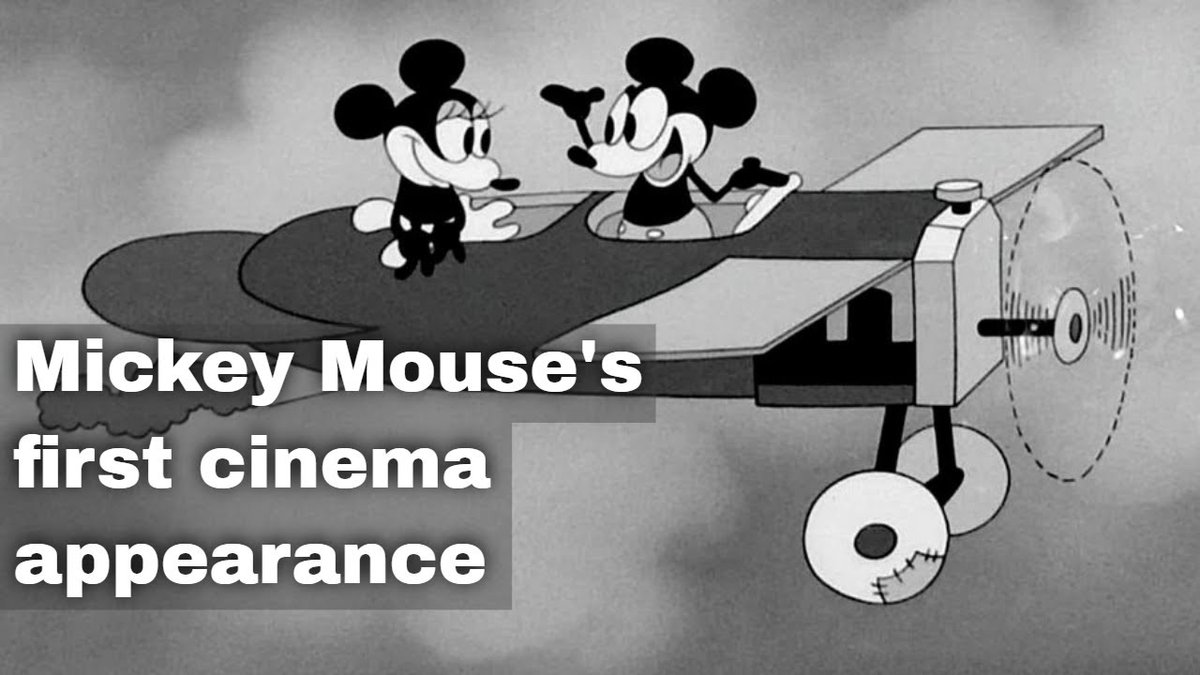
This was the landscape "Steamboat Willie" entered, and it didn't just play by the rules; it rewrote them. Mickey Mouse made his public debut on November 18, 1928, in this animated short, which premiered at the Colony Theater in New York City. While Walt Disney had actually produced two other Mickey Mouse shorts ("Plane Crazy" and "The Gallopin' Gaucho") prior to "Steamboat Willie," he struggled to find distribution for them. Realizing the burgeoning interest in synchronized sound, Disney decided to retrofit "Steamboat Willie" with a fully synchronized soundtrack, making it the first cartoon with post-produced synchronized sound.
The innovation was breathtaking. For the first time, audiences experienced a cartoon where:
- Character Movements Matched Sound: Mickey's actions, like steering the steamboat or playing various animals as instruments, were precisely timed to the music and sound effects.
- Music Drove the Narrative: The score wasn't just background noise; it was an integral part of the storytelling, enhancing the comedic timing and emotional beats.
- Voice and Action United: Though early Mickey's "dialogue" was mostly squeaks and whistles (often provided by Walt Disney himself), the concept of a character's actions and expressions being perfectly aligned with sound was revolutionary.
The impact was immediate and profound. "Steamboat Willie" wasn't just a cartoon; it was a cinematic event. It instantly made Mickey memorable, distinguishing him from every other animated character of the time. This synchronized sound elevated cartoons from mere novelties to genuine cinematic experiences, proving that animation could be a sophisticated form of storytelling.
For those wondering, how old is Mickey Mouse? His official debut in "Steamboat Willie" on November 18, 1928, is celebrated as his birthday, meaning he is over 95 years old and counting as of 2024! This historical milestone forever changed the landscape of animation and cemented Mickey's place as a cultural icon.
The Ever-Evolving Mouse: Mickey's Visual Journey
While his debut was iconic, Mickey Mouse was far from static. His design, personality, and role underwent continuous evolution, adapting to changing audience tastes, advancing animation techniques, and the studio's growing ambitions.
The Early Years (1928–1934): Rubber-Hose and Anarchy
In his earliest cartoons, Mickey sported what animators call "rubber-hose" limbs—flexible, noodle-like arms and legs that could stretch and bend in impossible ways. This design facilitated exaggerated, anarchic energy, perfectly suiting his mischievous, sometimes even crude, trickster persona. He was a playful rebel, often finding himself in comedic scrapes.
Mid-1930s: Softening and Expressing Emotion
As animation progressed and stories became more complex, Mickey's design began to soften. His features became rounder, and his eyes, initially simple dots, grew larger and more expressive. This change was crucial for conveying a wider range of emotions, making him more relatable and allowing for deeper storytelling. He began to shed some of his wilder edges, becoming more endearing and less overtly mischievous.
The 1940s: Polished and Heroic
By the 1940s, Mickey had evolved into a polished, almost heroic figure. He transitioned from a simple trickster to a moral center, often playing the protagonist who exemplified kindness, bravery, and good values. This reflected a broader shift in storytelling at Disney, moving towards more wholesome and aspirational narratives.
The Iconic White Gloves:
One of Mickey's most recognizable features, the white gloves, were introduced in the late 1920s. This wasn't merely a stylistic choice; it served practical functions:
- Visibility: In black-and-white cartoons, black hands against a black body could be hard to discern. White gloves made his hands pop, allowing for clearer action and expression.
- Humanization: Gloves gave his hands a more "human" feel, making him more relatable as he interacted with his environment.
A World in Color:
While Mickey is synonymous with his classic black-and-white look, he embraced color relatively early. His first color representation appeared in "Parade of the Award Nominees" (1932), a special cartoon for the Academy Awards. His first standard color cartoon, however, was the vibrant and musically rich "The Band Concert" (1935). This film not only introduced Mickey to the world of Technicolor but also standardized his iconic red shorts, completing a visual palette that would endure for decades.
The Fantasia Redesign (1940): Adding Depth to His Gaze
Perhaps the most significant visual transformation occurred with his role as "The Sorcerer’s Apprentice" in the groundbreaking film "Fantasia" (1940). Here, Mickey underwent a redesign that gave him pupils in his eyes. This seemingly small change had a massive impact: it made him appear more realistic, more thoughtful, and capable of a deeper range of emotion. This version of Mickey, with his expressive eyes, is largely the one we recognize today, elevating him from a cartoon star to a mythic figure capable of commanding an orchestra and battling magical brooms.
Beyond the Solo Act: Expanding Mickey's World
Mickey's universe quickly expanded beyond just himself, introducing characters and narratives that deepened his appeal and solidified his place in popular culture.
Minnie Mouse: The Essential Co-Star
Minnie Mouse was introduced as Mickey's co-star and girlfriend in 1932, a few years after his debut. She wasn't just a romantic interest; Minnie provided a crucial emotional counterbalance to Mickey. Representing loyalty, companionship, and often a touch of common sense, she rounded out his character and allowed for more varied storytelling, exploring themes of partnership and affection. Their enduring relationship remains a cornerstone of the Mickey Mouse universe.
A Symbol of Resilience During the Great Depression
The 1930s were a bleak time globally, marked by the Great Depression. In these challenging years, Mickey Mouse transcended mere entertainment to become a powerful symbol of resilience, optimism, and humor. His cheerful demeanor and can-do spirit offered a much-needed escape and a beacon of hope for audiences struggling with economic hardship. He embodied the idea that even in tough times, a smile and a bit of ingenuity could go a long way.
The Birth of Modern Character Merchandising
Beyond the silver screen, Mickey Mouse pioneered an entirely new industry: character merchandising. In 1933, Disney licensed Mickey's image for wristwatches. These watches were an instant sensation, selling millions and marking the birth of modern character merchandising as we know it. This venture wasn't just a novelty; it proved to be a critical financial lifeline for the Walt Disney Studios, providing a stable income stream that helped fund future ambitious animation projects, including feature films. It showed the world that a character could exist and generate value far beyond the confines of a film reel.
Mickey Goes to War
During World War II, Mickey Mouse again stepped up, this time as a symbol of American spirit and morale. He appeared in military insignia, emblazoned on planes, tanks, and uniforms, and featured in morale-boosting materials for troops and civilians alike. He symbolized cheerfulness, steadfastness, and determination without overt aggression, serving as a friendly face in a time of global conflict.
Expanding Narratives: Comics and Beyond
Mickey's adventures weren't limited to animation. He expanded his narrative range significantly in comic strips and comic books, particularly popular in Europe. Here, he often took on new roles as a detective or adventurer, solving mysteries and exploring exotic lands, further cementing his versatility and broadening his appeal to different audiences and storytelling formats.
Mickey in the Modern Age: From Screen to Icon
Mickey Mouse is a rare character who has seamlessly adapted to new media and maintained relevance across generations. His journey through the latter half of the 20th century and into the 21st demonstrates a remarkable ability to evolve while retaining his core essence.
The Television Era: "The Mickey Mouse Club"
The 1950s brought the advent of television, and Disney was quick to recognize its potential. In 1955, "The Mickey Mouse Club" premiered, transforming Mickey from a character you watched at the movies into a daily companion in millions of homes. As the show's host, Mickey became a ubiquitous and trusted symbol, cementing his status as a family-friendly icon and a cultural anchor for children across America.
Disneyland: A Living Emblem
The year 1955 also marked another monumental milestone: the opening of Disneyland. Here, Mickey Mouse transcended the screen entirely, becoming the park's living emblem. No longer just an animated drawing, Mickey became a tangible, interactive presence, greeting guests, leading parades, and personifying the magic of Disney in a physical space. This solidified his role as a universal ambassador of imagination and fun, directly connecting with audiences in a whole new way.
Mickey in the Digital Age and Beyond
In the modern era, Mickey continues to adapt and thrive. He's starred in new digital shorts like "Mickey Mouse Clubhouse," engaging a new generation with interactive adventures. He's embraced collaborations with high-fashion designers and contemporary artists, proving his enduring appeal as a cultural touchstone. Notably, recent iterations of Mickey have often revisited his early mischievousness, injecting a fresh, playful energy while retaining his core kindness and emotional accessibility. This careful balance ensures he remains relevant without losing the character traits that made him beloved in the first place.
The Enduring Legacy: More Than Just a Mouse
In 2018, Mickey Mouse celebrated his 90th anniversary, a testament to his incredible longevity and impact. His legacy extends far beyond the confines of animation; he is a global phenomenon, a cultural ambassador, and an enduring symbol of what creativity and perseverance can achieve.
Mickey Mouse symbolizes:
- Imagination and Creativity: He is a testament to the power of a simple idea, born from adversity, that blossomed into a world-changing force.
- Perseverance: His origin story is a powerful narrative of overcoming setbacks, reminding us that failure can be a stepping stone to unparalleled success.
- Advancement of Animation: From synchronized sound to color, Mickey's journey paralleled and often drove the technological and artistic evolution of the animation medium. He literally helped define what cartoons could be.
- Globalization of Entertainment: Mickey's appeal transcended borders, becoming a universal icon recognizable and beloved in virtually every corner of the world.
- The Emotional Power of Simplicity and Consistency: Despite countless changes and adaptations, Mickey's core character – optimistic, friendly, and adventurous – has remained consistent, forging a deep, lasting connection with audiences.
Mickey Mouse represents creativity triumphing over adversity, the globalization of animation, and the profound emotional power that simple, consistent storytelling can wield. He is not just a character; he is a global icon that shaped entertainment, influenced generations of artists, and continues to inspire wonder and joy in millions.
What Mickey's Journey Teaches Us About Enduring Creativity
The origin and evolution of Mickey Mouse offer a compelling blueprint for anyone seeking to create something that lasts. It's a story not just of a drawing, but of strategic vision, adaptability, and the unwavering belief in the power of a character.
From Walt Disney's stubborn refusal to be defeated after losing Oswald, to Ub Iwerks' practical brilliance in design, to the groundbreaking use of sound, every step of Mickey's journey was marked by innovation and a relentless pursuit of excellence. He taught us that ownership matters, that embracing new technologies can redefine an art form, and that a character can become a global symbol of hope and happiness.
As you reflect on The Origin Story and Debut of Mickey Mouse, consider the blend of heartbreak and genius that brought him to life. He wasn't just created; he was forged in the fires of experience, crafted with purpose, and launched into a world eager for magic. And nearly a century later, that magic is still very much alive, reminding us that sometimes, the simplest ideas, backed by the strongest convictions, can change the world.